Help for Tails 🧡


Every tail deserves a friend. 🐾

Date added: 27.11.25
How to Support Pets During Vacation or Travel 🧡 🐾
Introduction
Going on vacation or traveling for work is exciting, but pets at home may feel the change. With thoughtful planning and clear communication, you can make the experience calm and safe for your furry friend.
Before the Trip: practical preparation
Prepare a travel or care kit and important information:
- familiar food and bowls;
- daily routine: feeding times, walks, sleep schedule;
- medical records and a list of medications with dosages;
- favorite toys and a blanket with your scent;
- contact details for your vet and an emergency clinic.
Write down behavioral notes: fears, how they react to visitors, toilet habits, and any specific instructions that would help a caregiver.
Care options and how to choose
- Friends or family: familiar environment and trust, but may not always be available.
- Professional pet sitter at home: pet stays in its own space; ask for references and arrange a meet-and-greet.
- Boarding facility or pet hotel: suitable for round-the-clock supervision; visit and inspect cleanliness and staff interaction in advance.
- Traveling with your pet: choose this if you can meet transport and accommodation requirements.
When choosing, ask for reviews, check photos, and arrange a short trial visit so your pet can get comfortable.
Traveling with pets: safety and comfort
If bringing your pet, consider:
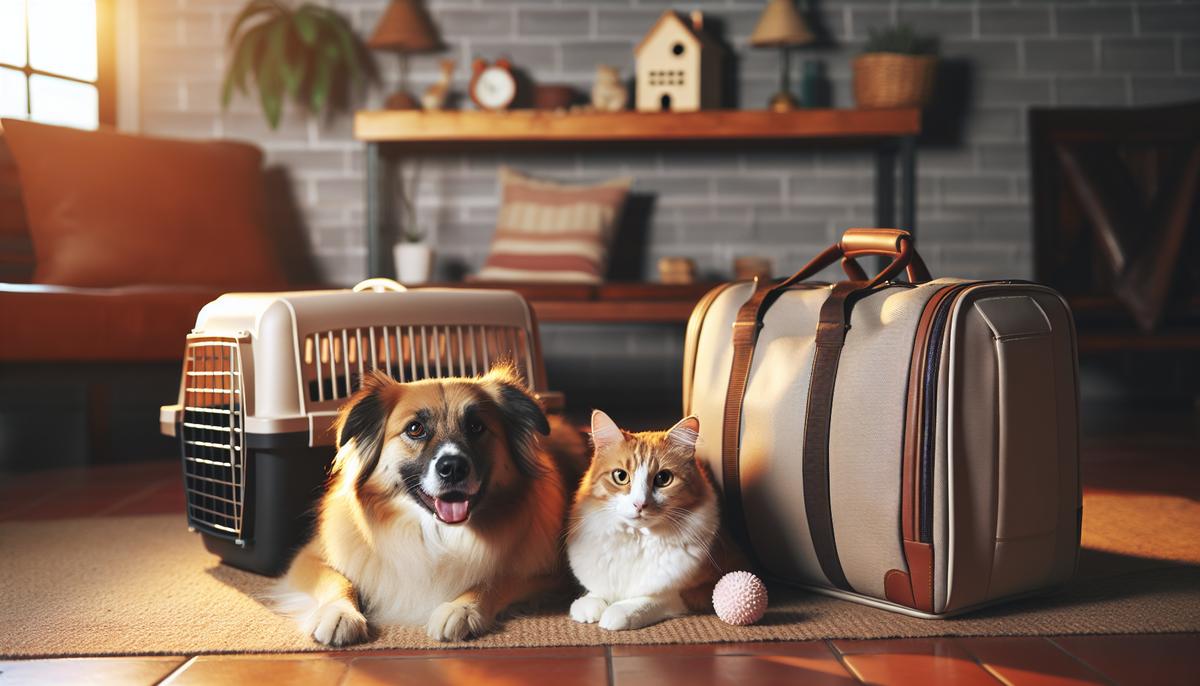
- a safe carrier or a harness and seatbelt for cars;
- regular stops to stretch, hydrate and toilet;
- small, familiar meals to avoid digestive upset;
- never leaving pets alone in a parked vehicle.
Confirm accommodation rules: pet policies, required vaccines, and documentation.
Care instructions and emergency plan
Prepare a clear, concise care sheet for the caregiver:
- daily schedule and feeding amounts;
- medications with times and how to administer them;
- what to do if the pet shows signs of illness;
- vet contacts and nearest emergency clinic.
Agree on payment, visiting times, and a way to stay in touch during the trip.
Returning home and readjustment
After you return, help your pet readapt with calm attention. Re-establish routines, take gentle walks, and avoid sudden changes. If your pet seems anxious, go slowly and offer reassurance.
Conclusion
Advance planning, clear instructions, and selecting a reliable caregiver will reduce stress for both you and your pet. Lean on community resources and ask for recommendations — a community-minded approach keeps pets safe and happy.
Related articles about kindness, animal care, and helping those in need
Explore more blog content — we share stories, advice, and examples of kindness from all over the world 🐾






TailsPal Blog Topics & Categories
Everything that matters about caring for homeless animals: our project, helpful tips, and heartwarming stories



🌍 Stories of Kindness and Care
Inspiring stories and reflections on compassion and the power of care
Share this article on social media 🧡 🐾
📣 More people will learn about TailsPal and be able to help homeless animals 🐾


https://tailspal.com/how-to-support-pets-during-vacation-or-travel

Every subscription is a contribution to a good cause ❤️


