Help for Tails 🧡


Every tail deserves a friend. 🐾


Date added: 29.11.25
How to Choose Reliable Bowls and Shelters for Outdoor Yard Animals 🧡 🐾
Why the right bowls and shelters matter
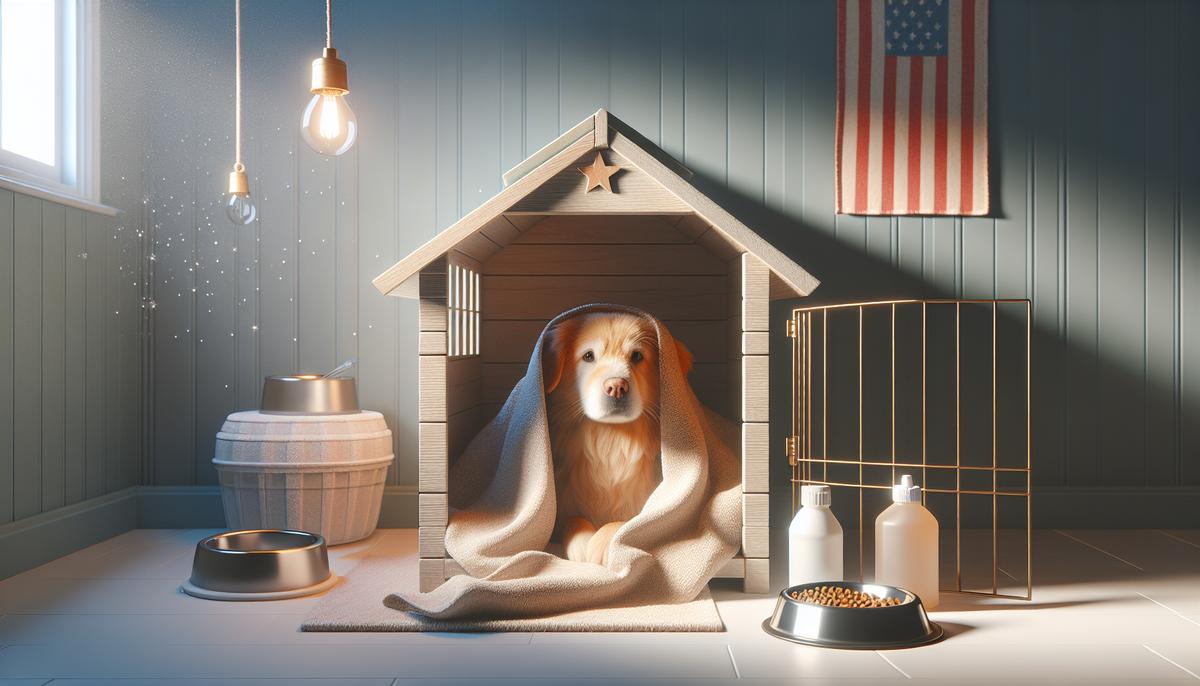
Outdoor and community animals rely on neighbours for food and shelter. Choosing durable, safe bowls and well-designed shelters reduces illness and injury, keeps food and water clean, and makes care easier for volunteers and neighbours alike.
Choosing bowls: materials and design
Materials
- Stainless steel: durable, hygienic, doesn't retain odors — ideal for both food and water.
- Ceramic: scratch-resistant and stable, but can break; suitable for low-activity areas.
- Heavy-duty plastic: lightweight and affordable; choose thicker varieties to avoid cracking.
Size and shape
- Water bowls should be deeper to reduce spillage and contamination.
- Food bowls benefit from a wider rim so animals can eat comfortably without tipping them over.
- Match the bowl size to the animal: small bowls for cats and small dogs, larger and heavier bowls for bigger dogs.
Choosing shelters: materials and structure
Materials
- Wood: a natural insulator. Use well-dried timber treated with non-toxic finishes.
- Plastic: waterproof and easy to clean but may need extra insulation to retain heat.
- Hybrid: wooden frame with plastic roof combines moisture protection and insulation.
Structure and key features
- Raise the floor a few centimetres off the ground to prevent damp entering the shelter.
- Make the entrance small enough to keep heat inside, yet wide enough for animals to pass comfortably.
- Add a simple flap or thick curtain to the entrance to block wind.
Insulation and ventilation
- Use straw or dry wood shavings for insulation; these materials trap air and stay relatively dry.
- Avoid damp materials that retain moisture.
- Ensure ventilation to prevent overheating in summer; include small vents away from sleeping areas to avoid drafts.
Placement, anchoring, and safety
- Place bowls and shelters in quiet, sheltered spots, ideally under an overhang or by a wall.
- Anchor bowls or use heavy bases to prevent tipping; rubber mats can provide grip.
- Secure shelters so they don’t shift in strong winds and inspect for sharp edges or mold regularly.
Cleaning and feeding routines
- Wash bowls at least every other day; fresh water should always be available.
- Replace insulation when it becomes soiled and clean the shelter after rain.
- Coordinate feeding schedules with neighbours or volunteers to avoid overfeeding and to keep areas tidy.
Budget and DIY tips
- Repurpose wooden pallets or boxes into insulated shelters with a raised floor and sloped roof.
- Place bowls in shallow trays to prevent tipping and attract less debris.
- Ask the community to contribute clean towels, straw, or old blankets for insulation.
Choosing the right bowls and shelters is a compassionate, practical step that improves life for outdoor animals. Small, well-organized efforts by neighbours and volunteers make yards safer and kinder for those who need help.
Related articles about kindness, animal care, and helping those in need
Explore more blog content — we share stories, advice, and examples of kindness from all over the world 🐾





TailsPal Blog Topics & Categories
Everything that matters about caring for homeless animals: our project, helpful tips, and heartwarming stories



🌍 Stories of Kindness and Care
Inspiring stories and reflections on compassion and the power of care
Share this article on social media 🧡 🐾
📣 More people will learn about TailsPal and be able to help homeless animals 🐾


https://tailspal.com/how-to-choose-reliable-bowls-and-shelters-for-outdoor-yard-animals

Every subscription is a contribution to a good cause ❤️


