Help for Tails 🧡


Every tail deserves a friend. 🐾


Date added: 30.11.25
How a Street Dog Became a Store's Unofficial Guardian 🧡 🐾
How a Street Dog Became a Store's Unofficial Guardian
This is a gentle community story about how one animal can quietly change a place and people's attitudes. A street dog, a small shop, and neighbors found a way to live together respectfully.
The story in short
A street dog started coming by a little neighborhood shop. It wasn't aggressive — alert but calm. Customers noticed how the dog seemed to keep watch: greeting familiar faces and discouraging occasional late-night trouble.
Initially some were worried about feeding, hygiene, or safety. Over time, the shop owner and neighbors set clear, simple rules: feeding times, a resting spot, and expectations for customer behavior.
Why it worked: basic principles
- Consistency. The dog learned the routine: set feeding times and a place to rest.
- Boundaries. The community decided where the dog is welcome and where it shouldn't be.
- Reinforcing good behavior, not bad. People avoided encouraging territorial or aggressive behavior while maintaining friendliness.
- Mutual respect. Visitors learned and followed the rules.
Practical tips for shop owners
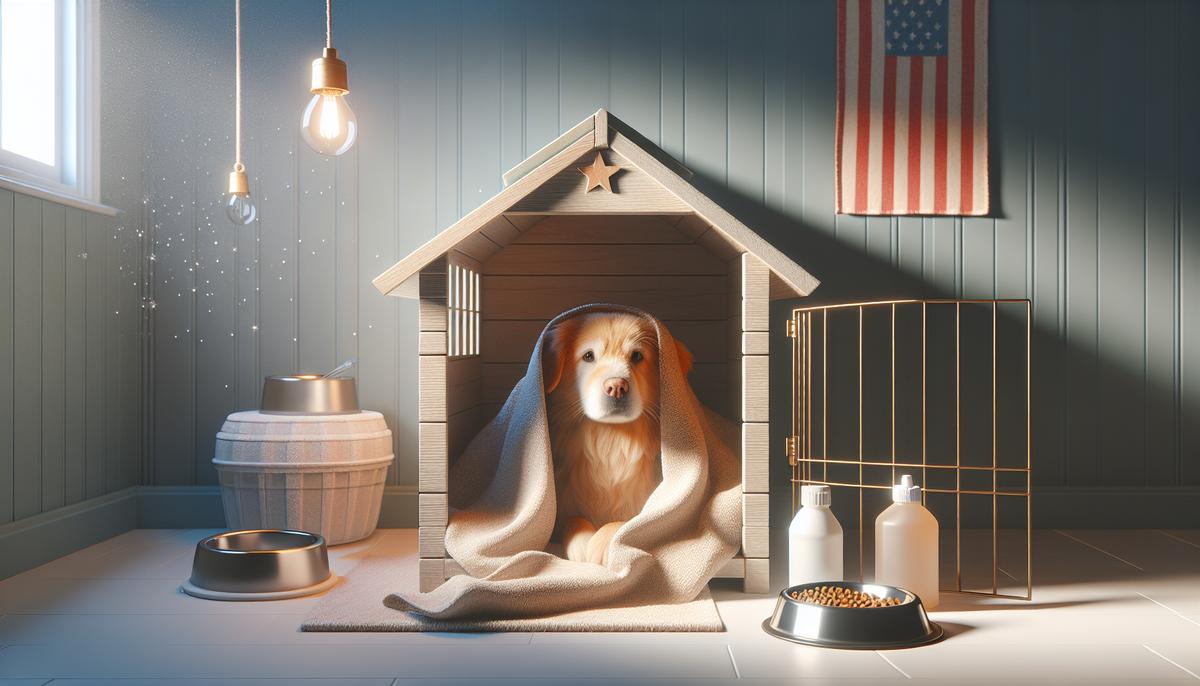
- Provide a regular resting spot near the entrance: a blanket or sheltered corner, especially in cold weather.
- Coordinate feeding with neighbors to avoid overfeeding or food-related conflicts.
- Consider a small sign: “Friendly street dog. Please follow feeding times” if appropriate.
- Do not reward anxious or aggressive behavior; instead, calmly redirect and avoid reinforcing it.
Health and safety
- Ask local volunteers or a vet to check the dog when possible: parasite control, vaccinations, and spaying/neutering if feasible.
- Avoid leaving harmful food: cooked bones, salty or sugary items, and trash.
- Provide extra shelter and insulation during severe weather.
How the community can help
- Organize a rota for feeding and observation via a neighborhood chat or group.
- Pool resources for a vet visit or basic treatment.
- Discuss adoption possibilities if a household is ready to provide a permanent home.
Dealing with conflicts
- Stay calm and record incidents: note when and why a problem occurs.
- Reach out to local shelters or animal welfare volunteers for assessment and advice.
- Use official channels only if necessary, and prioritize humane solutions when possible.
This small tale shows how respect, simple rules, and neighborly involvement can turn a chance encounter into a cooperative relationship. Little acts — a warm blanket, a vet visit, shared responsibility — make a big difference for the dog and the whole community.
Related articles about kindness, animal care, and helping those in need
Explore more blog content — we share stories, advice, and examples of kindness from all over the world 🐾




TailsPal Blog Topics & Categories
Everything that matters about caring for homeless animals: our project, helpful tips, and heartwarming stories

🌍 Stories of Kindness and Care
Inspiring stories and reflections on compassion and the power of care
Share this article on social media 🧡 🐾
📣 More people will learn about TailsPal and be able to help homeless animals 🐾


https://tailspal.com/how-a-street-dog-became-stores-unofficial-guardian

Every subscription is a contribution to a good cause ❤️


