Help for Tails 🧡


Every tail deserves a friend. 🐾

TailsPal Blog — everything about helping dogs and cats in Georgia
Read articles about helping dogs and cats in Georgia, pet adoption, the work of animal shelters, foundations, and volunteers, as well as useful resources for everyone who wants to help furry friends.
30.08.25

5 Rescue Stories That Inspire Kind Acts
- Five short rescue stories of animals and people who helped them.
- How small actions change lives.
- The role of volunteers and shelters.
- Immediate ways to help: foster, volunteer, donate supplies.
- How to act safely when you find an animal in need.
- Aftercare and community support for rescued animals.
- Why sharing stories strengthens local efforts.
29.08.25

What to do if you see animal cruelty
- Assess safety first — don’t put yourself at risk.
- Document evidence: photos, video, time and exact location.
- Collect details: descriptions, license plates, eyewitness contacts.
- Avoid physical confrontation unless you are absolutely safe.
- Report to police and local animal welfare organizations.
- Ask for a case number and follow up on the report.
- Provide practical support: food, temporary shelter, vet help.
- Share information responsibly, protect privacy of people involved.
- Take care of your emotional wellbeing after witnessing abuse.
- Join community groups to prevent and respond to abuse.
29.08.25
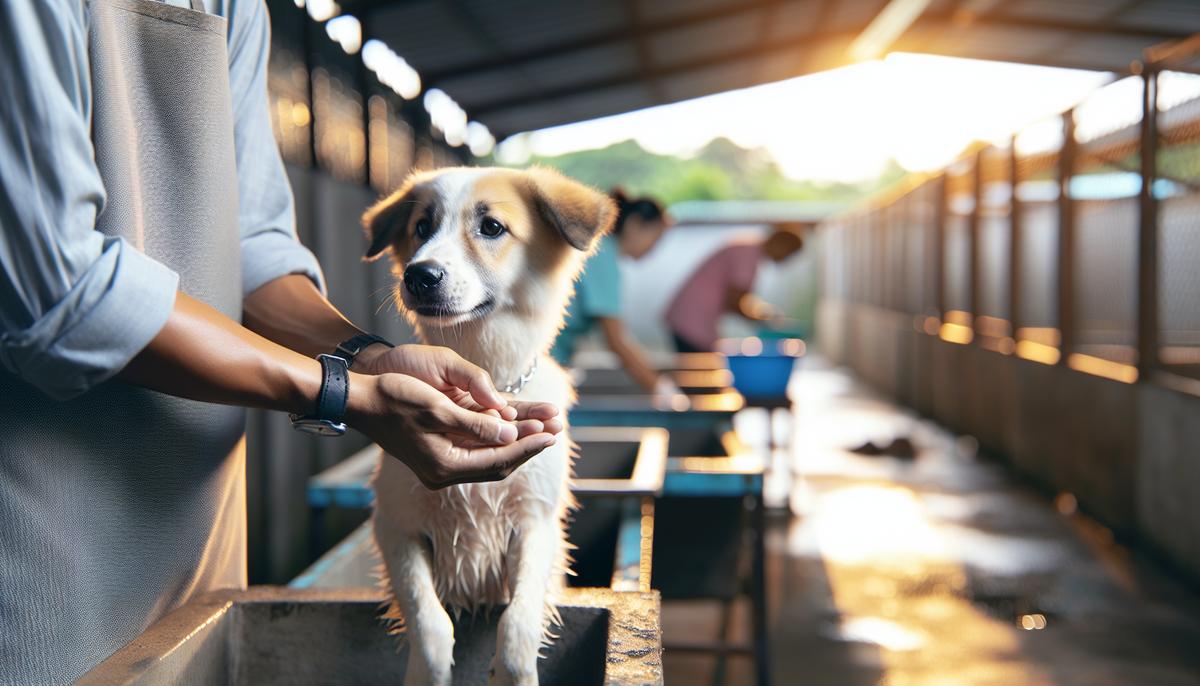
How to Find Reliable Partners for an Animal Welfare Project
- Map your project needs clearly
- Prepare a partner package with mutual benefits
- Look for diverse partners: vets, businesses, NGOs, volunteers
- Start with a small pilot and defined roles
- Create transparent agreements
- Keep regular communication and reporting
- Organize joint outreach and events
- Check partners' reputation and references
- Respect partners' time and resources
- Maintain long-term relationships with gratitude
29.08.25

Why checking food quality for feeders matters
- Protect animal health by preventing spoiled or contaminated food.
- Learn visible and sensory signs of bad food: smell, mold, pests.
- Inspect packaging and check production/expiry dates.
- Store and rotate supplies to avoid spoilage.
- Steps volunteers can follow for regular checks and record-keeping.
- What to do if you find contaminated or damaged food.
- Practical tips for outdoor and community feeders.
- Encourage community involvement in quality control.
28.08.25

How TailsPal Uses Technology to Help Pets
- Why tech matters for animal welfare
- Digital records and identification
- Online adoption and awareness platforms
- Volunteer coordination and logistics
- Telemedicine and remote triage
- Fundraising and financial transparency
- Community education and digital outreach
- Practical first steps for teams and individuals
28.08.25

The Role of Media in Changing Attitudes to Stray Animals
- Media shape perceptions through words and images; tone matters.
- Avoid sensationalism and exploitative visuals to encourage empathy.
- Share practical stories: rescue, rehabilitation, responsible care.
- Journalists and editors should follow ethical reporting and verify facts.
- Local campaigns and community reporting boost volunteer action.
- Collaboration between NGOs, shelters and media amplifies impact.
- Use language that avoids stigmatization and promotes solutions.
- Actions for readers: share humane stories, volunteer, support shelters.
28.08.25

What to Do If an Animal Is Trapped or in a Hole
- Assess the scene and ensure your safety
- Keep distance and calm the animal
- Call professionals or local volunteers when needed
- Prepare simple tools: board, blanket, rope
- Steps to safely extract an animal
- First aid and safe transport to a vet
- When to avoid attempting rescue yourself
- Prevention: secure holes and warn the community
27.08.25

How to build trust with street animals
- Observe animal body language before approaching
- Approach slowly and calmly
- Use food to create positive associations, not as coercion
- Keep safe distance and avoid sudden movements
- Be consistent: routine builds trust
- Provide a safe, sheltered spot and fresh water
- Know when to call vets or rescue volunteers
- Educate the community about humane interaction
27.08.25

Holidays with Purpose: How to Organize a Charity Drive for Pets
- Set a clear goal: items, money, or services
- Partner with a shelter or volunteer group
- Choose a format: in-person, online, or hybrid
- Prepare a list of needed items and a budget
- Plan drop-off, storage and transport logistics
- Promote through social media and local channels
- Keep records and provide proof of delivery
- Thank donors and share results publicly
TailsPal Blog Topics & Categories
Everything that matters about caring for homeless animals: our project, helpful tips, and heartwarming stories



🌍 Stories of Kindness and Care
Inspiring stories and reflections on compassion and the power of care
👉 Share kindness — tell others about TailsPal 🧡 🐾
📣 Spread the word — give more tails a chance for care and a loving home 🐾



Every subscription is a contribution to a good cause ❤️


